 how-to
Why Waste Fleet Training Fails (And How to Fix It)
Table of Contents
- Why Waste Fleet Training Fails: The Core Problems
- Waste Fleet Driver Training Best Practices
- Measuring Success in Waste Fleet Training
- Waste Fleet Training Checklist: What to Include
- Fleet Training Refresher Schedule: Building Lasting Knowledge
- Building a Training Program That Sticks
- Frequently Asked Questions
Last Updated: October 11, 2026
Why Waste Fleet Training Fails: The Core Problems
Waste fleet training fails because it's built on assumptions that don't match how your operation actually works. Most programs treat waste hauling like any other industry, generic safety modules, classroom instruction, one-size-fits-all content. Your drivers and mechanics don't work in a classroom. They work in mud, rain, and tight residential streets. They operate hydraulic systems that fail in unpredictable ways.
At Waste Fleet & Operations, we've seen this pattern repeat across dozens of haulers. The training happens. Everyone sits through it. Then the consultant leaves, and within two weeks, crews revert to their old habits.
Training Disconnected From Real Fleet Operations
The biggest mistake is running training in a conference room instead of on your trucks. Classroom instruction teaches theory. Your waste collection vehicles teach reality.
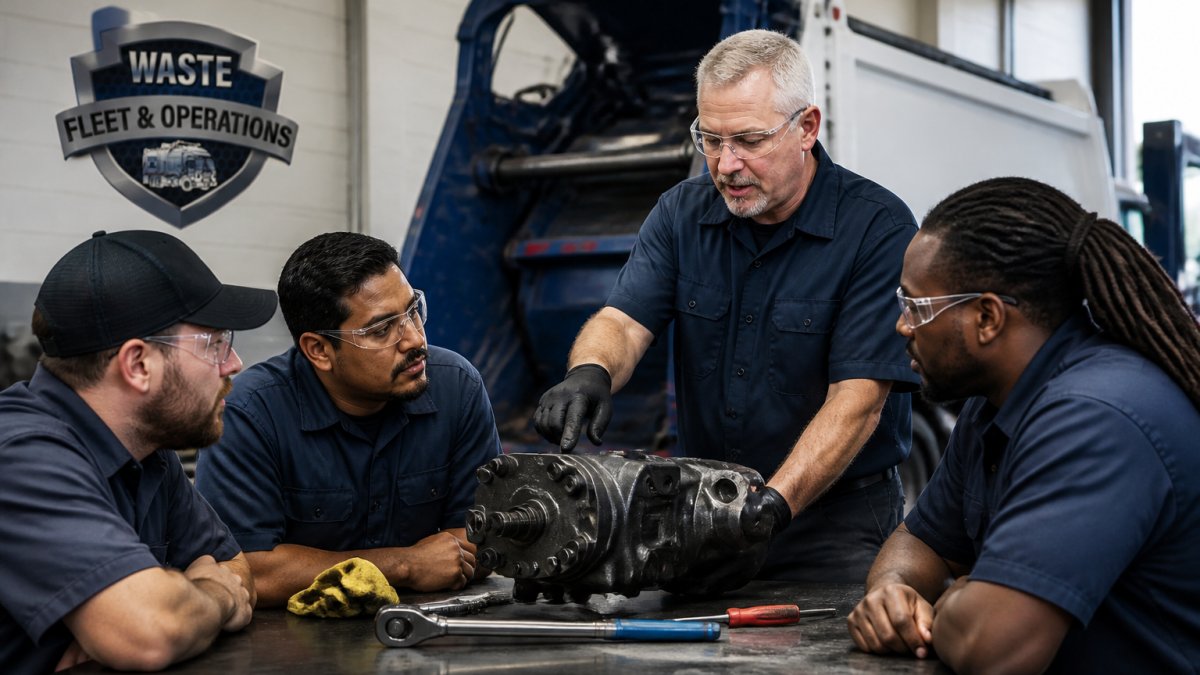
When training happens away from the equipment, drivers and mechanics learn abstract concepts instead of hands-on competencies. A technician might understand "preventive maintenance" in principle but miss the early warning signs of a failing hydraulic pump in your specific truck models.
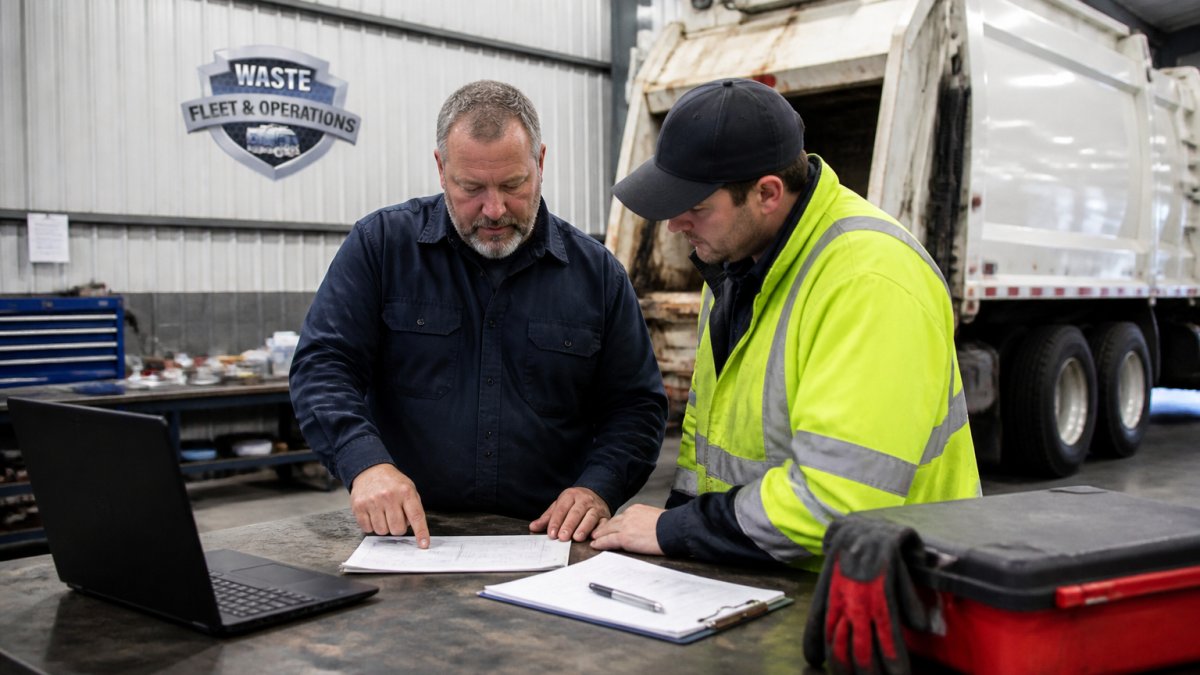
Real fleet training happens where the work happens: in the shop, on the route, with your equipment. This is why waste fleet training fails so often, trainers design programs without observing actual field conditions. They don't see how complex your routes really are.
Lack of Reinforcement After the Trainer Leaves
Training doesn't stick without reinforcement. A two-day workshop creates a temporary behavior change. After that, old habits take over unless someone is actively reinforcing the new approach.
This is where most waste fleet training fails hardest. The consultant delivers the program, hands you materials, and leaves. Your team goes back to their regular schedule with no follow-up, no coaching, no accountability. Within 30 days, they're doing things the old way again.
Effective training requires ongoing reinforcement from your own supervisors and shop managers. They need to be trained first so they can coach the team afterward. They need simple tools, checklists, inspection sheets, communication protocols, that keep the training top of mind every single day.
No Role-Specific Content for Drivers, Mechanics, and Supervisors
Drivers, mechanics, and supervisors need completely different training. Generic programs ignore this critical difference.
A driver needs to understand vehicle condition monitoring, safe operation of the lift arm, and route efficiency. A mechanic needs preventive maintenance procedures, hydraulic system diagnostics, and how to identify problems before they cause road calls.
When one training program tries to cover all three roles, none of them get what they actually need. Drivers sit through maintenance details that don't apply to them. Mechanics learn safety protocols they already know. Supervisors don't get the leadership content that would help them reinforce training after the program ends.
Waste Fleet Driver Training Best Practices
Effective driver training focuses on the specific competencies that reduce breakdowns and improve safety. This is where waste fleet training best practices diverge from generic fleet training.
Equipment-Specific Competencies for Waste Collection
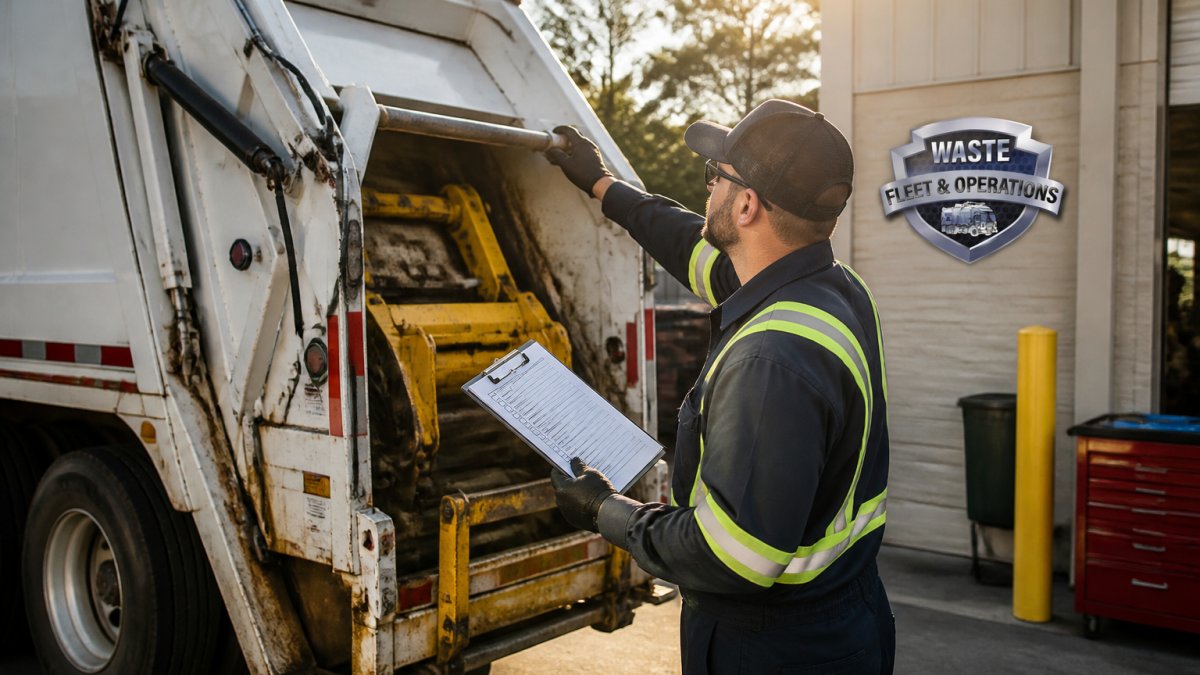
Your drivers need to understand the specific equipment they operate. A Heil, McNeilus, or Wayne lift system works differently. Hydraulic pressures vary. Packing mechanisms have different failure modes.
Training should cover the exact truck models in your fleet. Drivers should know how to recognize warning signs: unusual sounds from the lift arm, slower packing cycles, leaks under the truck. They should understand how load distribution affects fuel consumption and vehicle stability.
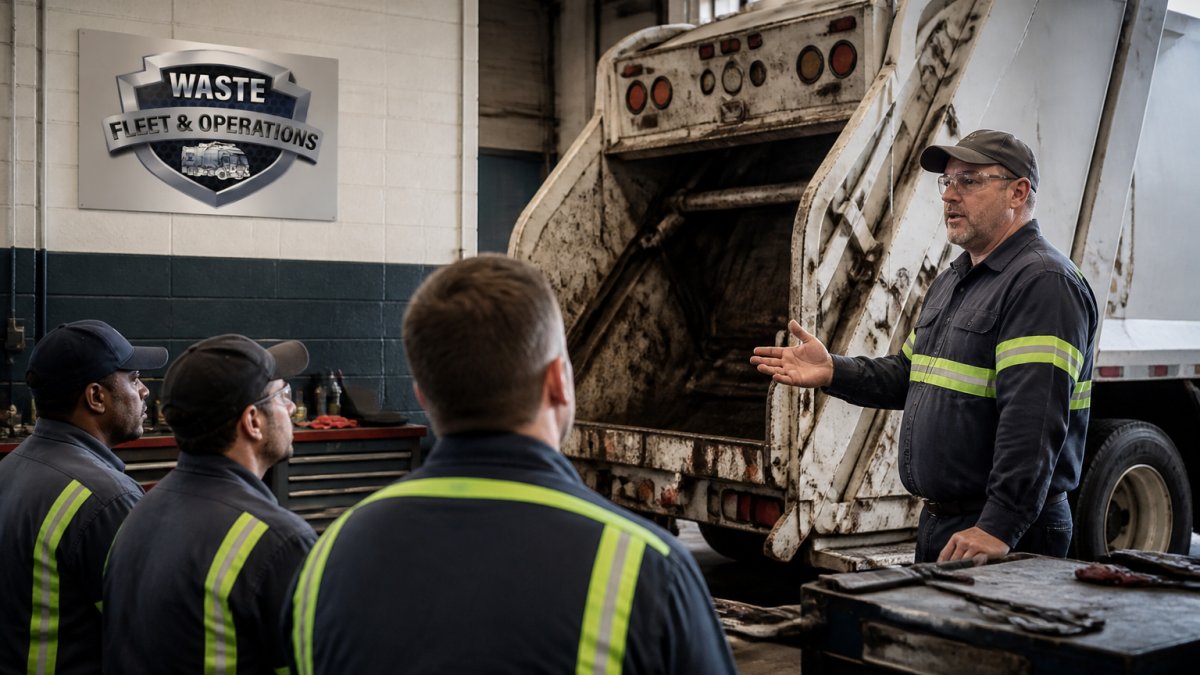
This is hands-on training. It happens on your trucks. A driver sits in the cab and practices the pre-trip inspection. They operate the lift arm under supervision. They learn the specific maintenance requirements for your equipment.
Field Conditions and Real-World Scenarios
Classroom training teaches ideal conditions. Your drivers face mud, snow, narrow residential streets, steep driveways, and equipment failures mid-route.
Real-world waste fleet training best practices include scenario-based training: What do you do if the lift arm gets stuck mid-cycle? How do you safely recover if you slide on ice? What's your communication protocol if a truck breaks down and you're behind on the route? How do you handle a missed pickup and make it up later in the day?
These scenarios should reflect your actual operation. If you run residential routes in urban areas, train for those conditions. If you handle commercial dumpsters with heavy loads, train for the specific challenges that creates.
Measuring Success in Waste Fleet Training
Waste fleet training fails when there's no way to measure whether it actually worked. You need clear metrics that show training impact.
Key Fleet Performance Metrics That Reveal Training Impact
Track these metrics before training and monthly afterward:
- Daily breakdowns: Count unplanned maintenance events that take a truck out of service. Training that works reduces this number.
- Road calls: Breakdowns that happen during the route. These are expensive because they disrupt service and require a service truck dispatch.
- Missed pickups: Routes not completed on schedule. Poor maintenance and driver behavior both affect this.
- Fuel consumption: Better driving habits and vehicle condition both improve fuel economy.
- Preventive maintenance compliance: Are drivers completing pre-trip inspections? Are mechanics following the preventive maintenance schedule?
These numbers tell you whether waste fleet training is actually changing behavior. If breakdowns stay the same, the training didn't work. If they drop 20-30%, you're seeing real impact.
Tracking Knowledge Retention and Behavior Change
Metrics alone don't tell the whole story. You also need to measure whether your team actually retained what they learned.
Simple tools work best: a checklist that drivers complete before each shift, a log where mechanics record preventive maintenance work, a communication sheet between shop and dispatch. These tools keep training top of mind and create a record of whether the new behaviors are actually happening.
Supervisor coaching is critical here. A supervisor who observes a driver skipping steps on the pre-trip inspection can coach them in the moment. That immediate feedback reinforces training far better than a follow-up workshop three months later.
Waste Fleet Training Checklist: What to Include
Any comprehensive waste fleet training program should cover these core areas. This is what separates training that sticks from training that gets forgotten.
Book My Complimentary Discovery Call →
Preventive Maintenance and Vehicle Condition Monitoring
Your team needs to understand why preventive maintenance matters and how to do it. This includes:
- Daily pre-trip inspections (fluid levels, tire condition, brake function, lift arm operation)
- Weekly checks (hose condition, connection integrity, hydraulic pressure)
- Monthly maintenance tasks specific to your equipment
- How to identify early warning signs before failure
- When to take a truck out of service for repairs
Mechanics need deeper training: hydraulic system diagnostics, pump and motor maintenance, common failure modes for your specific equipment, and how to perform repairs correctly the first time.
Safety Protocols and Incident Prevention
Safety training should cover:
- Proper operation of the lift arm and packing mechanism
- Load distribution and vehicle stability
- Hazard recognition on residential and commercial routes
- Communication protocols during emergencies
- Proper use of personal protective equipment
- Incident reporting and root cause analysis
Safety isn't just about following rules, it's about understanding why the rules exist. A driver who understands why they can't overload the truck is more likely to follow that rule than one who just knows it's against policy.
Communication Between Shop Floor and Management
This is where most waste fleet training fails to address a critical gap. Shop floor and management teams often don't communicate effectively about vehicle condition, maintenance priorities, or operational challenges.
Training should establish clear communication protocols:
- How drivers report vehicle problems to the shop
- How the shop prioritizes repairs
- How management tracks fleet performance and maintenance costs
- Regular meetings between shop, dispatch, and management to review metrics
- How to escalate issues and make decisions about vehicle replacement
This communication infrastructure is what makes training stick. Without it, drivers revert to old habits because there's no feedback loop showing them the impact of their behavior.
Fleet Training Refresher Schedule: Building Lasting Knowledge
One-time training doesn't create lasting change. You need a refresher schedule that keeps the training alive.
Frequency and Timing for Maximum Retention
Refresher training should happen quarterly at minimum. This means:
- Monthly supervisor coaching sessions (30 minutes, focused on one specific topic)
- Quarterly team refreshers (half-day, covering multiple topics)
- Annual comprehensive training (full day, covering everything)
The timing matters. Refreshers should happen before peak season when mistakes are most costly. If your busiest months are spring and summer, schedule refreshers in March and April.
Refreshers should be shorter and more focused than the initial training. A quarterly session might cover just one topic: lift arm safety, or fuel efficiency, or communication protocols. This keeps the training manageable and relevant.
Supervisor Coaching and On-the-Job Reinforcement
Supervisors are the key to making waste fleet training best practices stick. They're on site every day. They can observe behavior, provide immediate feedback, and reinforce training in real time.
Supervisors need their own training first: how to coach effectively, what to look for, how to provide feedback without creating defensiveness. Then they need simple tools: a checklist of what to observe, a log to document coaching conversations, metrics to track whether behavior is changing.
On-the-job reinforcement is more powerful than any classroom session. A supervisor who stops a driver mid-route to discuss a safety issue, or who praises a mechanic for catching a problem early, is reinforcing training in the moment when it matters most.
Building a Training Program That Sticks
The reason waste fleet training fails is that most programs treat training as a one-time event instead of an ongoing system.
Start by identifying the specific gaps in your operation: Are drivers missing preventive maintenance signs? Are mechanics inconsistent in their procedures?
Involve your supervisors and shop managers from the beginning. They need to own the training, not just attend it.
Use simple, specific tools: checklists, inspection sheets, communication logs. These keep training top of mind and create accountability.
Most importantly, understand that waste fleet training fails when it ends. Real training is ongoing.
Waste fleet training doesn't have to be complicated. The problem is that most training programs are disconnected from your actual operation.
Frequently Asked Questions
Why does waste fleet training fail even after we invest in it?
Training fails when it's generic rather than waste-specific, delivered in a classroom instead of on your actual trucks, and lacks reinforcement after the trainer leaves. Without ongoing supervisor coaching and measurable accountability, technicians and drivers revert to old habits. The disconnect between shop floor and management also prevents teams from identifying and fixing root causes of breakdowns. Hands-on training tailored to your fleet's actual equipment and operations is what creates lasting change.
How can we measure success in waste fleet training?
Track concrete metrics: daily breakdown counts, road call frequency, missed pickups, vehicle downtime hours, and maintenance costs. Compare baseline data from 30 days before training to 90 days after. Survey technicians and drivers on knowledge retention and confidence with equipment. Monitor supervisor reports on behavior change and incident prevention. Without measurement, you cannot confirm training is working or justify continued investment.
What should a waste fleet training checklist include?
Cover preventive maintenance routines specific to hydraulic systems, lift arms, and packing mechanisms on your collection vehicles. Include vehicle condition monitoring and inspection protocols. Add driver safety practices for field conditions, repetitive motions, and incident prevention. Ensure mechanics understand root cause analysis for equipment failure. Include communication standards between drivers, mechanics, and dispatch to close the information gap that causes missed pickups and service reliability issues. Training should also address fuel use, idling reduction, and route efficiency to lower operating costs.
How often should waste fleet drivers receive refresher training?
Schedule refresher training every 6-12 months, with shorter coaching sessions monthly or quarterly. Knowledge retention drops significantly after 90 days without reinforcement, so supervisors must coach on the job continuously. New hires need more frequent touchpoints in their first 6 months. Seasonal peaks in collection operations and equipment changes may warrant additional sessions. The goal is to keep safety protocols, equipment competencies, and preventive maintenance practices fresh so drivers and mechanics apply them consistently, not just during formal training.